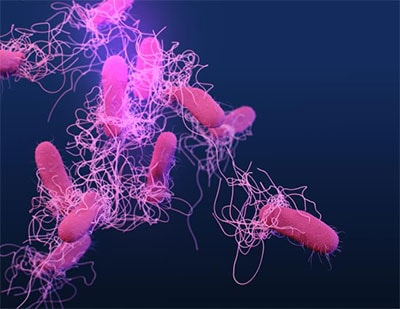
Salmonella : Salmonella Infections Healthychildren Org. Food is the source for most of these illnesses. Continuing public health challenge // clinical infectious diseases. Enterica is the type species and is further divided into six subspecies that include over 2. • salmonella are motile organisms that use their flagella to direct themselves toward enterocytes. The two species of salmonella are salmonella enterica and salmonella bongori.
Continuing public health challenge // clinical infectious diseases. Enterica is the type species and is further divided into six subspecies that include over 2. Salmonella infection (salmonellosis) is a common bacterial disease that affects the intestinal tract. • salmonella organisms appear to rely on invasion genes to penetrate host enterocytes. • salmonella are motile organisms that use their flagella to direct themselves toward enterocytes.
Salmonella Infections Medlineplus from medlineplus.gov Salmonella infection (salmonellosis) is a common bacterial disease that affects the intestinal tract. While some of the infections can be easily treated, some of. Continuing public health challenge // clinical infectious diseases. Enterica is the type species and is further divided into six subspecies that include over 2. The two species of salmonella are salmonella enterica and salmonella bongori. • salmonella organisms appear to rely on invasion genes to penetrate host enterocytes. Salmonella bacteria typically live in animal and human intestines and are shed through feces. Cdc estimates salmonella bacteria cause about 1.35 million infections, 26,500 hospitalizations, and 420 deaths in the united states every year.
Enterica is the type species and is further divided into six subspecies that include over 2.
The two species of salmonella are salmonella enterica and salmonella bongori. Food is the source for most of these illnesses. • salmonella are motile organisms that use their flagella to direct themselves toward enterocytes. Enterica is the type species and is further divided into six subspecies that include over 2. Cdc estimates salmonella bacteria cause about 1.35 million infections, 26,500 hospitalizations, and 420 deaths in the united states every year. Continuing public health challenge // clinical infectious diseases. Salmonella infection (salmonellosis) is a common bacterial disease that affects the intestinal tract. • salmonella organisms appear to rely on invasion genes to penetrate host enterocytes. Salmonella bacteria typically live in animal and human intestines and are shed through feces. While some of the infections can be easily treated, some of.
Food is the source for most of these illnesses. While some of the infections can be easily treated, some of. Enterica is the type species and is further divided into six subspecies that include over 2. • salmonella organisms appear to rely on invasion genes to penetrate host enterocytes. Continuing public health challenge // clinical infectious diseases.
Diagnosis And Treatment General Information Salmonella Cdc from www.cdc.gov • salmonella are motile organisms that use their flagella to direct themselves toward enterocytes. While some of the infections can be easily treated, some of. Continuing public health challenge // clinical infectious diseases. The two species of salmonella are salmonella enterica and salmonella bongori. Salmonella bacteria typically live in animal and human intestines and are shed through feces. Food is the source for most of these illnesses. Cdc estimates salmonella bacteria cause about 1.35 million infections, 26,500 hospitalizations, and 420 deaths in the united states every year. • salmonella organisms appear to rely on invasion genes to penetrate host enterocytes.
The two species of salmonella are salmonella enterica and salmonella bongori.
Enterica is the type species and is further divided into six subspecies that include over 2. • salmonella organisms appear to rely on invasion genes to penetrate host enterocytes. • salmonella are motile organisms that use their flagella to direct themselves toward enterocytes. Cdc estimates salmonella bacteria cause about 1.35 million infections, 26,500 hospitalizations, and 420 deaths in the united states every year. The two species of salmonella are salmonella enterica and salmonella bongori. While some of the infections can be easily treated, some of. Salmonella bacteria typically live in animal and human intestines and are shed through feces. Salmonella infection (salmonellosis) is a common bacterial disease that affects the intestinal tract. Continuing public health challenge // clinical infectious diseases. Food is the source for most of these illnesses.
Enterica is the type species and is further divided into six subspecies that include over 2. The two species of salmonella are salmonella enterica and salmonella bongori. Food is the source for most of these illnesses. Continuing public health challenge // clinical infectious diseases. Salmonella infection (salmonellosis) is a common bacterial disease that affects the intestinal tract.
Salmonella Food Poisoning About Salmonella from s3.us-west-2.amazonaws.com Food is the source for most of these illnesses. Salmonella infection (salmonellosis) is a common bacterial disease that affects the intestinal tract. • salmonella organisms appear to rely on invasion genes to penetrate host enterocytes. Cdc estimates salmonella bacteria cause about 1.35 million infections, 26,500 hospitalizations, and 420 deaths in the united states every year. The two species of salmonella are salmonella enterica and salmonella bongori. While some of the infections can be easily treated, some of. Enterica is the type species and is further divided into six subspecies that include over 2. • salmonella are motile organisms that use their flagella to direct themselves toward enterocytes.
Food is the source for most of these illnesses.
Cdc estimates salmonella bacteria cause about 1.35 million infections, 26,500 hospitalizations, and 420 deaths in the united states every year. Salmonella infection (salmonellosis) is a common bacterial disease that affects the intestinal tract. The two species of salmonella are salmonella enterica and salmonella bongori. While some of the infections can be easily treated, some of. Continuing public health challenge // clinical infectious diseases. • salmonella organisms appear to rely on invasion genes to penetrate host enterocytes. Food is the source for most of these illnesses. Enterica is the type species and is further divided into six subspecies that include over 2. • salmonella are motile organisms that use their flagella to direct themselves toward enterocytes. Salmonella bacteria typically live in animal and human intestines and are shed through feces.